

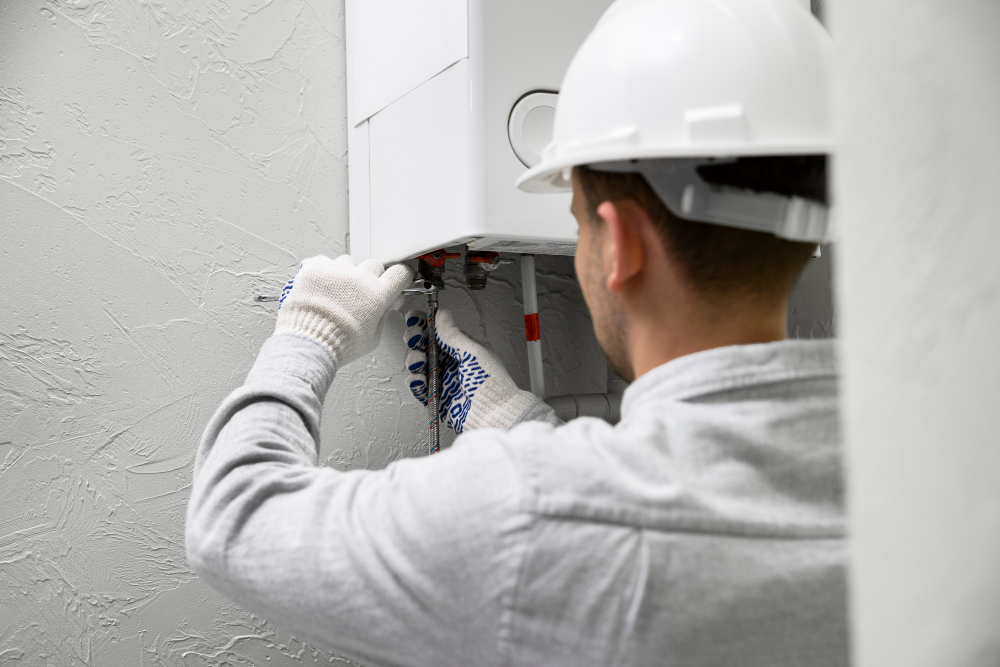
Do you need a permit to replace a water heater?
Yes, in most cases, a permit is required.
Water heater replacement involves plumbing and, in many cases, gas or electrical connections. Because of this, the work must comply with local building and safety codes, and inspections are typically required after installation.
Does “like-to-like” replacement still require a permit?
Even if you are replacing a water heater in the same location with a similar unit, a permit is still generally required.
However, like-to-like replacements are often simpler to approve because:
- The location does not change
- Existing connections are reused
- No structural modifications are involved
In some cities, these projects may qualify for faster processing, but requirements still vary by jurisdiction.
What happens during the permit process?
While the exact process depends on the city, most water heater permits follow a similar flow.
You submit basic project details
The city reviews the application
The installation is completed
An inspection is scheduled
The inspection ensures the unit is installed correctly and meets safety standards, including proper venting, strapping, and connections.
How long does approval take?
For straightforward replacements, permits can often be issued quickly, sometimes within a few days. In some cases, approval may be available over the counter depending on the city and the specifics of the project.
However, timelines can vary, so it is important to confirm with your local building department.
What are common mistakes to avoid?
Even simple projects can run into issues if requirements are not followed correctly.
Common mistakes include:
- Starting work without a permit
- Selecting the wrong permit type
- Missing required details in the application
- Failing inspection due to improper installation
These issues can lead to delays, additional costs, or required corrections.
What happens if you skip the permit?
Replacing a water heater without a permit can lead to:
- Fines or penalties
- Problems during home resale
- Failed inspections if discovered later
- Potential safety risks
Even though the project may seem minor, compliance is still required.
How Zermit helps
Zermit simplifies the process by helping you understand what is required before you begin.
Instead of searching through city websites or guessing, you can:
- Describe your project
- Identify the correct permit type
- Prepare your submission based on your location
This reduces mistakes and helps you move forward with confidence.
Start with clarity
Replacing a water heater is a common project, but it still requires the right steps. Understanding permit requirements early helps you avoid delays and complete your project correctly.