

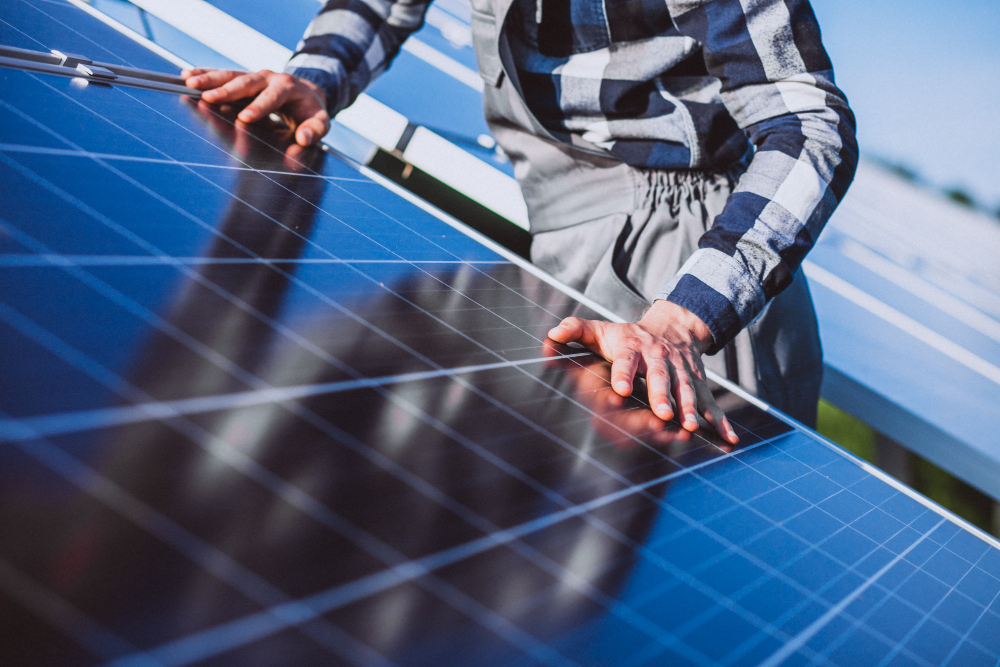
Yes, in virtually every U.S. jurisdiction, installing solar panels requires at least a building permit and an electrical permit before work can begin, and in some areas also a separate fire-safety or battery-storage permit. On top of local permits, you will also need an interconnection agreement from your utility before you can legally turn the system on. Skipping any of these steps can mean fines, a denied grid connection, or a system you cannot legally operate.
Have a solar or solar-plus-reroof project? Zermit AI helps you prepare and submit your permit paperwork so you can start your application in minutes.
What Permits Do You Need for Solar Panels?
Most residential solar installations require the following approvals before work begins:
- Building permit: covers roof load capacity, mounting and attachment method, and fire setback pathways. Issued by your local building department.
- Electrical permit: covers wiring, inverter, rapid shutdown device, AC disconnect, and compliance with the National Electrical Code. Issued by your local building or electrical department.
- Zoning or fire safety permit (some jurisdictions): covers placement, ground-mounted systems, and battery storage. Issued by local planning or fire departments.
- Interconnection agreement: authorizes grid connection and sets net metering terms. Issued by your utility company, separate from city permits entirely.
Only after your system passes final inspection does your utility issue Permission to Operate (PTO), the authorization to actually energize the system and begin exporting power to the grid. Operating before PTO carries real risk including penalties, safety hazards to utility workers, and potential denial of the interconnection.
Solar Permit Requirements
Building permit review
Your building permit review typically confirms:
- The roof structure can support the added weight of the panels and mounting hardware
- Panel placement meets required setbacks from roof edges to preserve fire-access pathways for emergency responders
- Attachment method meets local wind and structural load standards
Electrical permit review
Your electrical permit review typically confirms compliance with the National Electrical Code (NEC) including:
- Properly sized conduit and wiring
- Correct rapid shutdown device placement
- AC disconnect installation
- Inverter specifications matching system design
Required Documents
Most jurisdictions require the following documents as part of a complete solar permit application:
- Site plan showing panel placement and roof dimensions
- Single-line electrical diagram from panels through inverter to the main service panel
- Structural and engineering calculations, often required for larger systems. Systems over roughly 10kW commonly require a stamped engineering review.
- Equipment specification sheets for panels, inverters, and mounting hardware
- Utility interconnection application
A missing or incomplete single-line electrical diagram is the most common reason solar permit applications are rejected at first submission. Getting this right upfront eliminates the most likely cause of delay.
Who Can Apply for a Solar Permit?
Most jurisdictions allow either a licensed solar contractor or, in some areas, a homeowner pulling an owner-builder permit to apply. Given the electrical and structural complexity involved, most homeowners use a licensed installer who typically handles the permit filing as part of the project. Zermit AI can help prepare and organize the permit documentation regardless of whether a contractor or homeowner is filing.
Solar Permit Costs
Permit fees for residential solar systems commonly run $150 to $500, though this varies by state and city. Some states cap residential solar permit fees by law, with several states limiting fees to $500 for standard residential systems. Other cities charge on a sliding scale based on system size. Larger systems and any project requiring third-party structural review can cost more. Check your specific city's fee schedule for an accurate number before finalizing your budget.
Approval Timelines
Solar permits involve two separate tracks that both need to clear before your system can operate:
- Local permit review: often completed in one to three weeks for a complete residential application, faster in cities using standardized review tools like SolarAPP+
- Utility interconnection review: can take anywhere from approximately 10 business days to several weeks depending on how much solar capacity has already been installed in your area
A single resubmission cycle at the local level due to an incomplete application commonly adds several more weeks. A complete, correctly formatted first submission matters more for solar than almost any other permit type. Zermit AI organizes your application to local requirements before submission to minimize the chance of rejection.
Inspections
Expect a final inspection after installation covering both structural attachment and electrical work. Your utility will typically schedule a separate meter and interconnection inspection before issuing Permission to Operate. Do not energize the system before receiving official PTO from your utility.
Common Mistakes That Delay Solar Permits
- Submitting without a complete single-line electrical diagram, one of the most common causes of rejection
- Underestimating utility interconnection timelines. Many homeowners are quoted only the local permit timeline, not the separate and often longer utility review.
- Missing rapid shutdown device placement requirements, a frequent point of electrical inspection failure
- Not accounting for a second permit when reroofing at the same time. Solar and roofing are usually two separate permits, not one combined filing.
- Energizing the system before receiving official PTO, which can trigger penalties and jeopardize your interconnection agreement entirely
Ready to Start Your Solar Permit?
Zermit AI helps prepare and submit permit paperwork for residential solar projects. Describe your project and get a city-ready application in about three minutes instead of spending hours navigating your city's portal manually. Homeowners can also connect with a vetted local solar installer through the Zermit contractor network, and solar contractors can join the Zermit network to reach homeowners before they hire someone else.
Start your solar permit at Zermit AI and get your system moving toward approval from day one.
Frequently Asked Questions
Do I need a permit to install solar panels on my house?
Yes, nearly every U.S. jurisdiction requires both a building permit and an electrical permit for solar installation, in addition to a separate interconnection agreement from your utility before the system can legally operate.
How much does a solar permit cost?
Most residential solar permits cost between $150 and $500, though costs vary by city and some states cap fees by law for standard residential systems.
How long does it take to get a solar permit?
Local permit review often takes one to three weeks for a complete application, but the separate utility interconnection review can take longer, sometimes several additional weeks, before your system is authorized to operate.
Can I turn on my solar system before it is officially approved?
No. Operating before your utility issues Permission to Operate (PTO) can result in penalties, denial of interconnection, and potential insurance complications. Always wait for official PTO before energizing the system.
Do I need a separate permit if I am replacing my roof and adding solar at the same time?
Usually yes. Roofing and solar are typically permitted separately even when the projects happen at the same time. Plan for two permit applications, two fee payments, and potentially two separate inspection processes.