

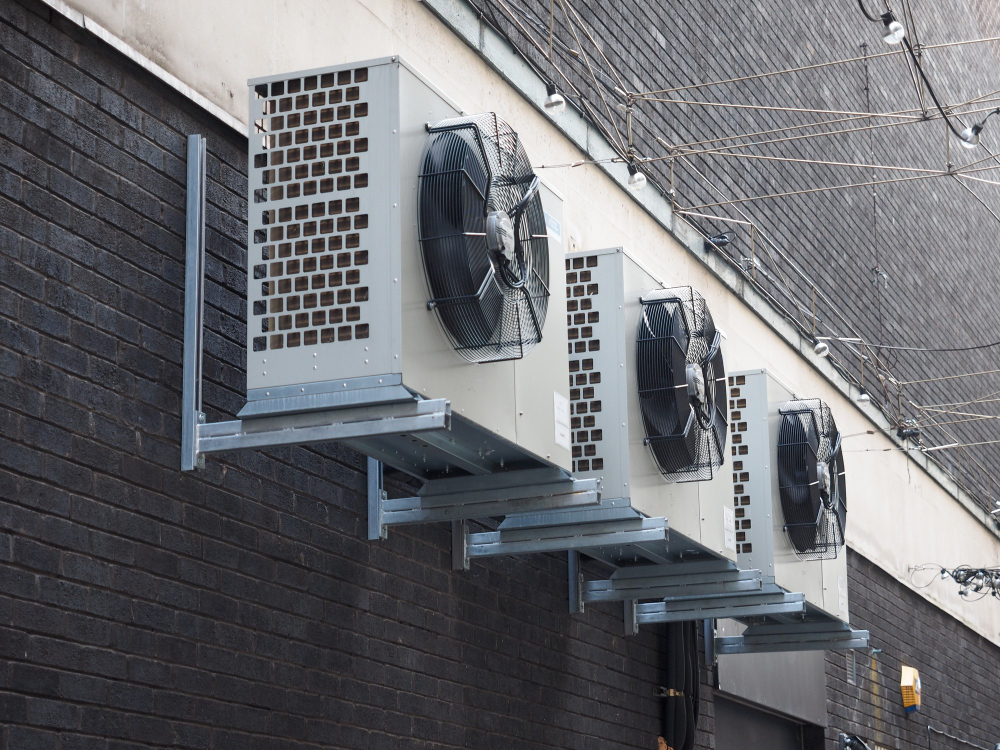
In most US jurisdictions, replacing or installing an HVAC system requires at least one permit and often two. Yet unpermitted HVAC work remains one of the most commonly flagged issues during home inspections. This guide covers exactly which projects require permits, what they cost, who pulls them, and what is at risk if you skip the process.
Do You Need a Permit for HVAC Replacement?
Yes, in most US jurisdictions, replacing an HVAC system requires a permit. This includes furnaces, central air conditioners, heat pumps, and boilers, even on a like-for-like basis. Projects that involve new installations, ductwork changes, or electrical upgrades almost always need both a mechanical and an electrical permit.
HVAC systems are among the most regulated home improvement categories in the US because the safety stakes are high. Improperly installed equipment can cause gas leaks, carbon monoxide poisoning, and electrical fires. Permits exist so inspectors can verify the work meets current safety codes before walls are sealed and systems are put into use.
Requirements vary considerably by city and county. HVAC permit requirements in Los Angeles, for example, follow California's strict Title 24 energy compliance rules, which go beyond what many other jurisdictions require. What triggers a full permit in one city may qualify for a streamlined same-day approval somewhere else, so always verify locally before your project starts.
What HVAC Work Requires a Permit?
The following types of HVAC work require a permit in most US jurisdictions:
Furnace or boiler replacement
Replacing a gas furnace, oil furnace, or boiler almost always requires a mechanical permit, and a gas permit in many jurisdictions. Inspectors check venting, gas connections, combustion air requirements, and safety controls.
Central air conditioner replacement
Replacing a central AC condenser, air handler, or full split system typically requires a mechanical permit. An electrical permit is often needed too when disconnect boxes, wiring, or circuit breakers are modified.
Heat pump installation or replacement
Air-source, ground-source, and mini-split heat pumps almost always require both a mechanical and an electrical permit due to the complexity of the refrigerant and electrical systems involved.
Ductwork modifications
Adding, relocating, or significantly modifying ductwork requires a permit in most jurisdictions, including extending ducts into a new room or replacing a major portion of the duct system.
New HVAC in previously unconditioned space
Installing HVAC where there was none before, such as a garage conversion, basement finish, or room addition, almost always requires multiple permits across mechanical, electrical, and building departments.
Gas line work
Any modification to a gas line serving HVAC equipment requires a separate gas permit in most jurisdictions, in addition to the mechanical permit for the equipment itself.
What HVAC Work Usually Does Not Require a Permit?
Routine maintenance and minor component swaps generally do not require permits. These typically include:
- Replacing a thermostat (like for like)
- Changing air filters
- Annual servicing or tune-ups
- Replacing a blower motor within the same unit
- Sealing duct leaks with mastic or tape
How Much Does an HVAC Permit Cost?
HVAC permit costs typically range from $50 to $500 for a mechanical permit. If an electrical permit is also required, add another $50 to $300. Most residential HVAC replacements fall between $150 and $800 in total permit fees, a small fraction of the overall project cost.
Fees are set by individual municipalities and vary based on project value, scope, and local fee schedules. Costs in high-regulation cities like Los Angeles tend to be on the higher end of the range. Checking your city's specific schedule before budgeting is worthwhile, but the actual permit fee is almost always small compared to the penalties for skipping it.
How Long Does Approval Take?
Simple like-for-like replacements are often approved in one to five business days, and many cities offer same-day approval for straightforward residential swaps. New installations or ductwork modifications typically take one to three weeks. Complex projects like geothermal systems can take longer.
Many municipalities now offer online permit portals that speed up the process significantly. For emergency HVAC failures during extreme weather, ask your building department about emergency permit provisions. Many jurisdictions allow provisional work to begin while the permit is being processed.
Who Pulls the HVAC Permit?
In most jurisdictions, the licensed HVAC contractor pulls the permit. Mechanical permits typically require a licensed mechanical contractor to apply. Reputable contractors include permit fees in their quotes and manage the full process, from application to final inspection sign-off.
Most homeowners have their contractor handle permitting entirely, which is the most common and safest approach. In some states, homeowners can pull permits themselves when acting as their own general contractor, but HVAC is more technically regulated than general construction, especially since EPA Section 608 requires certification for anyone handling refrigerants, regardless of homeowner status.
What Happens During an HVAC Inspection?
An HVAC inspection verifies that the installed equipment meets local building code requirements. Most residential inspections take 30 to 60 minutes. Inspectors check different things depending on the equipment type.
For furnaces and boilers
Inspectors verify proper venting and flue connections, gas line connections and pressure, combustion air supply, electrical safety controls, required clearances from combustible materials, and condensate drain installation on high-efficiency units.
For air conditioners and heat pumps
Inspectors check equipment sizing relative to load calculations, refrigerant line connections and pressure, electrical disconnect and circuit breaker sizing, condensate drain installation, and refrigerant type compliance.
Do not cover ductwork, seal wall penetrations, or complete surrounding finish work until the inspector has signed off. Before your inspection, it is also worth reviewing what documents are typically required. Equipment spec sheets, load calculations, and Title 24 compliance forms are commonly needed for HVAC mechanical permits in cities like Los Angeles.
How to Get an HVAC Permit: Step by Step
Confirm which permits your project requires. Requirements differ widely by location, so understanding exactly what applies to your city before contacting the building department saves significant time.
- Hire a licensed HVAC contractor. In most states, only licensed mechanical contractors can pull mechanical permits. Verify their license through your state's contractor licensing board before signing anything.
- Get a written quote with permit fees included. If permit costs are not in the quote, ask directly. A quote that excludes permits is a warning sign.
- Gather required documents. Most jurisdictions require equipment spec sheets, load calculations, and sometimes energy compliance forms. In California, Title 24 documentation is mandatory.
- Wait for permit approval before installation begins. Starting work before approval can result in stop-work orders and fines.
- Schedule and pass the inspection. Once installation is complete, schedule the inspection immediately. Do not seal any work until the inspector signs off.
- Retain all permit records. Keep the approved permit, inspection reports, and final sign-off with your home records. You will need them for insurance, warranties, and when selling your home.
For homeowners and contractors who want to skip the back-and-forth of figuring out which permits apply and how to format the application correctly, Zermit AI prepares and submits over-the-counter and like-to-like HVAC permits directly to your city, matched to local requirements from the start.
Start your HVAC permit at Zermit AI before your contractor begins the installation.
Frequently Asked Questions
Do you need a permit to replace an HVAC system?
Yes, in most US jurisdictions. Replacing a furnace, central AC, or heat pump almost always requires at least a mechanical permit and often an electrical permit as well. Even like-for-like replacements typically require permits because inspectors verify the installation meets current codes.
Do I need a permit to replace just the AC condenser unit?
In most jurisdictions, yes. Even replacing only the outdoor condenser typically requires a mechanical permit because the work involves refrigerant handling and electrical connections. Some cities offer streamlined processes for simple swaps, but a permit and inspection are still required in most cases.
How much does an HVAC permit cost?
A mechanical permit typically costs $50 to $500. If an electrical permit is also needed, add another $50 to $300. Most residential HVAC replacements run $150 to $800 in total permit fees, a small fraction of the overall project cost.
Who pulls the HVAC permit, the homeowner or the contractor?
Almost always the licensed HVAC contractor. In most jurisdictions, mechanical permits can only be pulled by licensed contractors. If a contractor does not mention permits in their quote, ask directly and treat any suggestion to skip them as a serious red flag.
Do mini-split systems require a permit?
Yes, in most US jurisdictions. Even ductless mini-splits involve refrigerant handling, electrical connections, and wall penetrations, all of which require permits. Always verify with your local building department before any mini-split installation begins.
What happens if you replace HVAC without a permit?
Consequences include fines, typically two to three times the original permit cost, required removal and reinstallation, voided manufacturer warranties, denied insurance claims, and complications when selling your home. Unpermitted HVAC work is one of the most commonly flagged items during real estate transactions.
How long does an HVAC permit take to get approved?
Simple like-for-like replacements are often approved in one to five business days, with same-day approval in many cities. New installations typically take one to three weeks. Zermit AI can help you prepare a clean submission to avoid the delays that come with incomplete applications.