

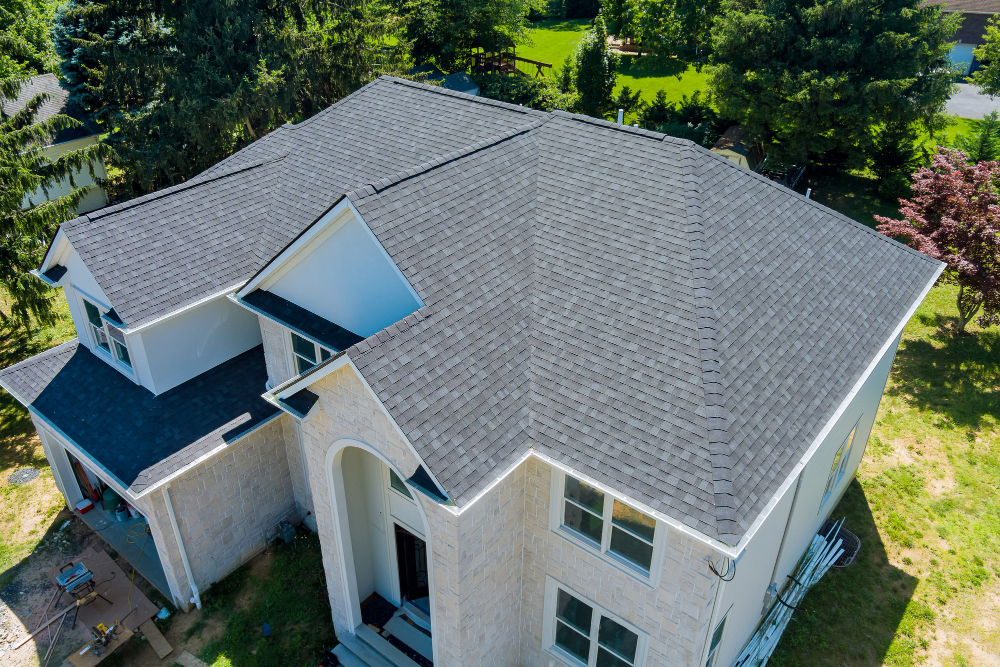
Yes, in nearly every U.S. jurisdiction, a full roof replacement requires a building permit. This applies even if you are using the exact same materials, because the permit and inspection process verifies structural load, underlayment, ventilation, and fire-rating requirements under current code. Minor repairs like patching a small leak or replacing a handful of shingles usually fall below the permit threshold, but a full tear-off almost always requires one.
Ready to file? Zermit AI prepares and submits like-for-like roofing permits directly to your city. Start your permit in minutes.
When Do You Need a Roofing Permit?
Here is a breakdown of common roofing projects and whether a permit is typically required:
- Full tear-off and roof replacement: yes, almost always
- Re-roofing over existing shingles (second layer): yes in most cities, often limited to one additional layer
- Structural changes to rafters, decking, or roof pitch: yes
- Adding skylights or roof windows: yes
- Switching roofing material type (for example shingles to metal): yes, may require a structural load check
- Installing solar alongside a reroof: yes, a separate solar and electrical permit is usually required in addition
- Minor shingle patch repair covering a small area: often no permit needed
- Resealing or replacing flashing around vents or chimneys: often no permit needed
- Roof coating on an existing flat roof: often no permit needed
General rule: most jurisdictions exempt repairs covering less than approximately 10% of the total roof area. Anything beyond that, and certainly a full replacement, typically requires a permit. Rules vary by city so always confirm locally before starting work.
Roofing Permit Requirements
Roofing permits are regulated locally, but the vast majority of U.S. jurisdictions that have adopted the International Residential Code apply IRC Chapter 9 and Section R907 (Reroofing) as the baseline standard. Expect your permit review to check:
- Roofing material meets local fire-rating and wind-uplift requirements
- Underlayment and ice-dam protection in applicable climates
- Ventilation requirements
- Structural capacity for the new material's weight, especially when switching material types
- Compliance with any historic-district design review if applicable
Required Documents
Most jurisdictions require the following for a roofing permit application:
- Completed permit application
- Roofing material specification sheet
- Contractor license and insurance information if hiring a professional
- Structural documentation if changing material type or roof pitch
- Proof of property ownership or authorization in some jurisdictions
Who Can Apply for a Roofing Permit?
In most cities, either the licensed roofing contractor or the homeowner can pull the permit. If a contractor asks the homeowner to pull the permit themselves, treat that as a red flag. It often signals the contractor is not properly licensed or insured for the work.
Roofing Permit Costs
Roofing permit fees typically range from $150 to $500 in most cities, though total project-related permit costs including plan review and inspection fees can run higher in high-cost-of-living areas. Some homeowners in larger cities report costs closer to $450 to $2,700 when additional review fees apply. Costs vary significantly by city, home value, and project scope, so check your local fee schedule for an exact number before budgeting.
Approval Timelines
Straightforward like-for-like roof replacements are often approved quickly, sometimes the same day or within a few business days in cities with over-the-counter permitting for roofing. Projects involving structural changes or material-type switches typically require full plan review, which can take longer. Submitting a complete, correctly formatted application from the start is the most effective way to minimize wait time regardless of which city you are in.
Inspections
Most jurisdictions require at least a final inspection after roof replacement. Some require an additional in-progress inspection, for example after tear-off but before new material installation, on larger or structurally modified projects. Do not cover any work before the relevant inspection has been completed and signed off.
What Happens If You Skip a Roofing Permit?
Skipping a required roofing permit carries real risk across several areas:
- Fines: ranging from a few hundred to several thousand dollars depending on the city
- Forced removal: in extreme cases unpermitted work must be removed and redone at the homeowner's expense
- Insurance claim denial: if a storm or leak causes damage to an unpermitted roof, your insurer may deny the claim entirely
- Home sale complications: unpermitted roofing work is commonly flagged during title searches and home inspections, and can delay or derail a sale
- Voided manufacturer warranties: most roofing material warranties require code-compliant, permitted installation to remain valid
Homeowners who later have to remediate unpermitted roofing work commonly pay significantly more than the original permit fee would have cost upfront.
Common Mistakes That Get Roofing Permits Rejected or Delayed
- Assuming like-for-like material always skips plan review. Some cities still require documentation even for identical replacements.
- Not accounting for a solar-plus-reroof combination, which often needs two separate permits, not one.
- Missing historic-district or HOA approval that runs alongside the city permit process.
- Letting a contractor start work before the permit is issued. This is unpermitted work even if you have already filed an application.
- Underestimating structural requirements when switching to a heavier roofing material.
Ready to Get Your Roofing Permit Submitted?
Zermit AI handles OTC and like-for-like roofing permit paperwork so you do not have to navigate your city's portal manually. Describe your roofing project and get a permit-ready submission in about three minutes. Homeowners can also find a vetted local roofing professional through the Zermit contractor network, and roofing contractors can claim their profile to connect with homeowners preparing to reroof.
Start your roofing permit at Zermit AI before your contractor picks up the first shingle.
Frequently Asked Questions
Do I need a permit to replace my roof with the same material?
In most cities yes. A full tear-off and replacement requires a permit even with identical materials, since the inspection verifies current code compliance, not just material match.
Do I need a permit for a small roof repair?
Usually not, if the repair covers a small area commonly under 10% of the roof and does not involve structural changes. Always confirm the exact threshold with your local building department before starting.
How much does a roofing permit cost?
Most roofing permits cost $150 to $500, though total permit-related fees can be higher depending on your city and project scope. High-cost-of-living areas like Los Angeles can run closer to $450 to $2,700 when plan review and inspection fees are included.
What happens if I do not get a permit for my new roof?
You risk fines, denied insurance claims, forced rework, and complications when selling your home. Unpermitted roofing is commonly flagged during title searches and home inspections and can delay or derail a sale entirely.