

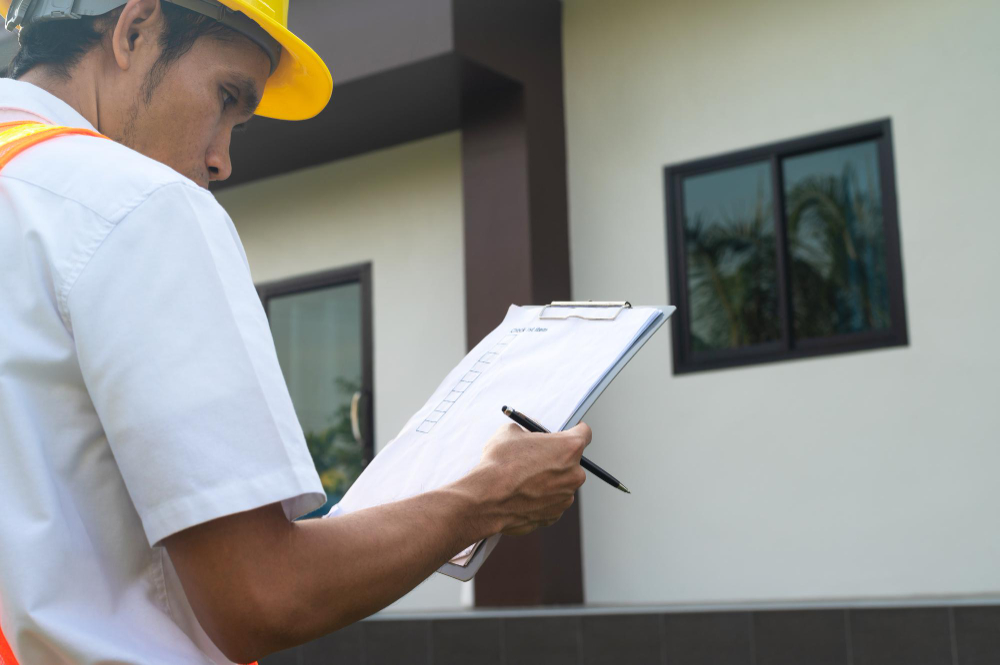
From Idea to Approval: The Building Permit Process Explained
Every project starts with an idea. A renovation, an upgrade, or a repair. But before anything is built, there is a process that needs to happen first: permitting.
Understanding how the building permit process works can help you avoid delays, plan better, and move your project forward with confidence.
Here’s what that journey typically looks like.
Step 1: Defining the Project
Everything begins with clarity.
Before applying for a permit, you need to understand what work is being done and how it affects your home. The type of project determines the type of permit required.
This includes identifying whether you are:
- Replacing something existing
- Making structural changes
- Modifying electrical, plumbing, or HVAC systems
A clear scope of work is the foundation of the entire process.
Step 2: Identifying the Right Permit
Once your project is defined, the next step is selecting the correct permit.
Different types of work require different approvals, and choosing the wrong permit can lead to delays or rejections.
Permit types may include:
- Electrical permits
- Plumbing permits
- Mechanical or HVAC permits
- General building permits
The goal is to match your project with the correct category from the start.
Step 3: Preparing the Application
After identifying the permit, the application must be prepared.
This usually includes:
- Project details or description
- Plans or drawings (if required)
- Property and contractor information
Accuracy is critical at this stage. Missing or incorrect information is one of the most common reasons for delays.
Step 4: Submission and Review
Once submitted, the city reviews your application.
Depending on the project, this may involve:
- Basic review for straightforward work
- Plan check for more complex projects
- Requests for clarification or revisions
Timelines vary based on the city and the scope of work.
Step 5: Approval
If everything meets requirements, the permit is approved.
At this point, you are authorized to begin work on your project. However, approval does not mean the process is complete.
Step 6: Inspections
After work begins, inspections are typically required to ensure the project complies with building codes.
This may include:
- Rough inspections during construction
- Final inspection after completion
Inspections are a key part of ensuring safety and compliance.
Step 7: Completion
Once inspections are passed, the permit process is complete.
Your project is now officially documented as compliant with local requirements.
Where Delays Usually Happen
While the process seems straightforward, delays are common.
They typically occur due to:
- Incorrect permit selection
- Incomplete applications
- Missing documentation
- Revisions requested by the city
Understanding these points helps you avoid setbacks before they happen.
How Zermit Simplifies the Process
Zermit helps streamline the entire permit journey by guiding you from the very first step.
Instead of navigating each stage manually:
- You describe your project
- The correct permit is identified
- Your submission is prepared based on your location
This reduces errors and helps you move through the process more efficiently.